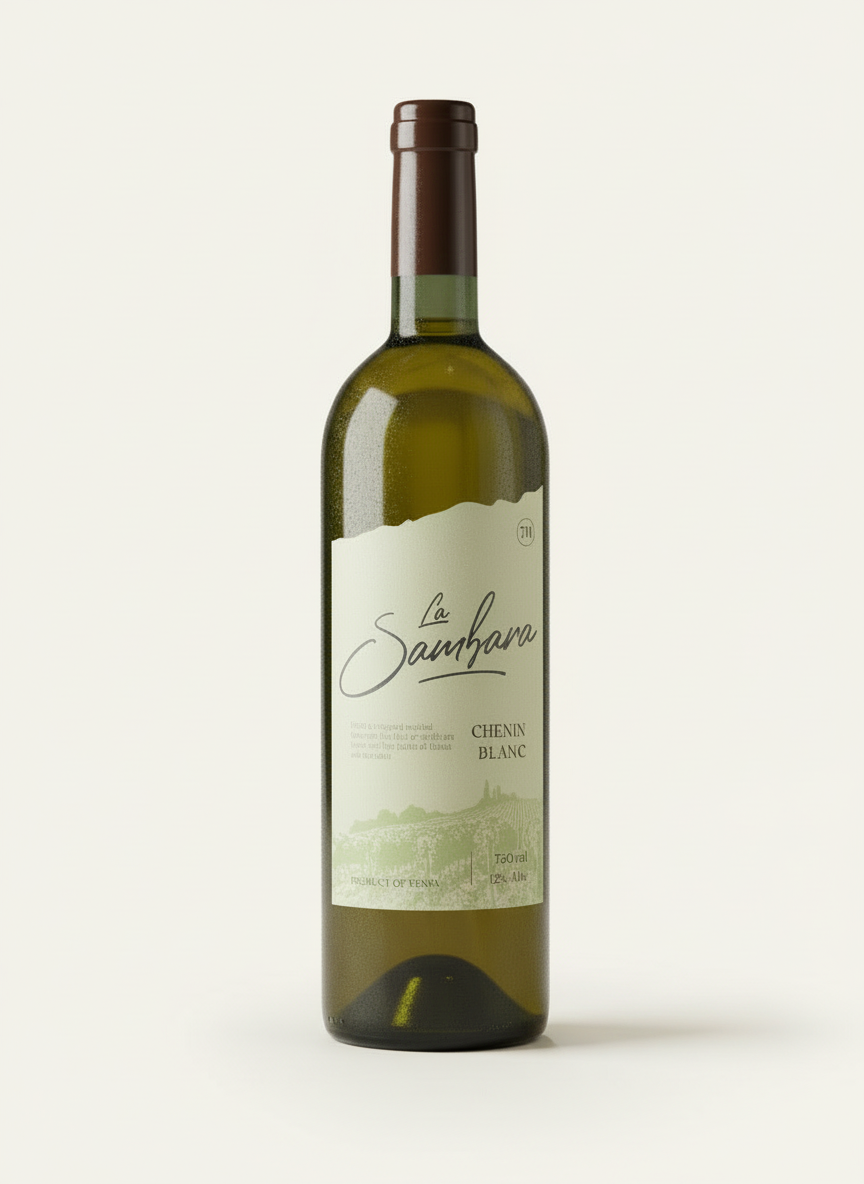
Wine tasting isn’t only something that happens at vineyards or luxury restaurants. With a little preparation, you can easily host a memorable wine tasting right at home. In fact, small gatherings are one of the best ways to explore wine, learn about different flavors, and enjoy meaningful conversations with friends.
For many people searching how to host a wine tasting in Kenya, the idea might seem intimidating at first. But the truth is that hosting a wine tasting doesn’t require expert knowledge or expensive equipment. With locally available wines and a few thoughtful details, you can create an enjoyable and relaxed experience for your guests.
Here’s a simple step-by-step guide to hosting your own wine tasting at home.
1. Choose a Small Group of Guests
The best wine tastings are usually intimate. A group of 4 to 8 guests is ideal because it allows everyone to participate in conversation and share their impressions of the wines.
Wine tasting is about discovery, so invite people who enjoy trying new things. Friends, colleagues, or family members who appreciate good food and conversation make great tasting companions.
Keeping the group small also makes it easier to manage the wines and maintain a relaxed atmosphere.
2. Select 3–5 Wines to Taste
One of the most important steps in hosting a wine tasting in Kenya is choosing the wines themselves.
For beginners, selecting three to five bottles is perfect. This allows guests to compare flavors without overwhelming their palate.
You can structure your tasting in several ways:
- White vs. Red: Compare a fresh white wine with a bold red
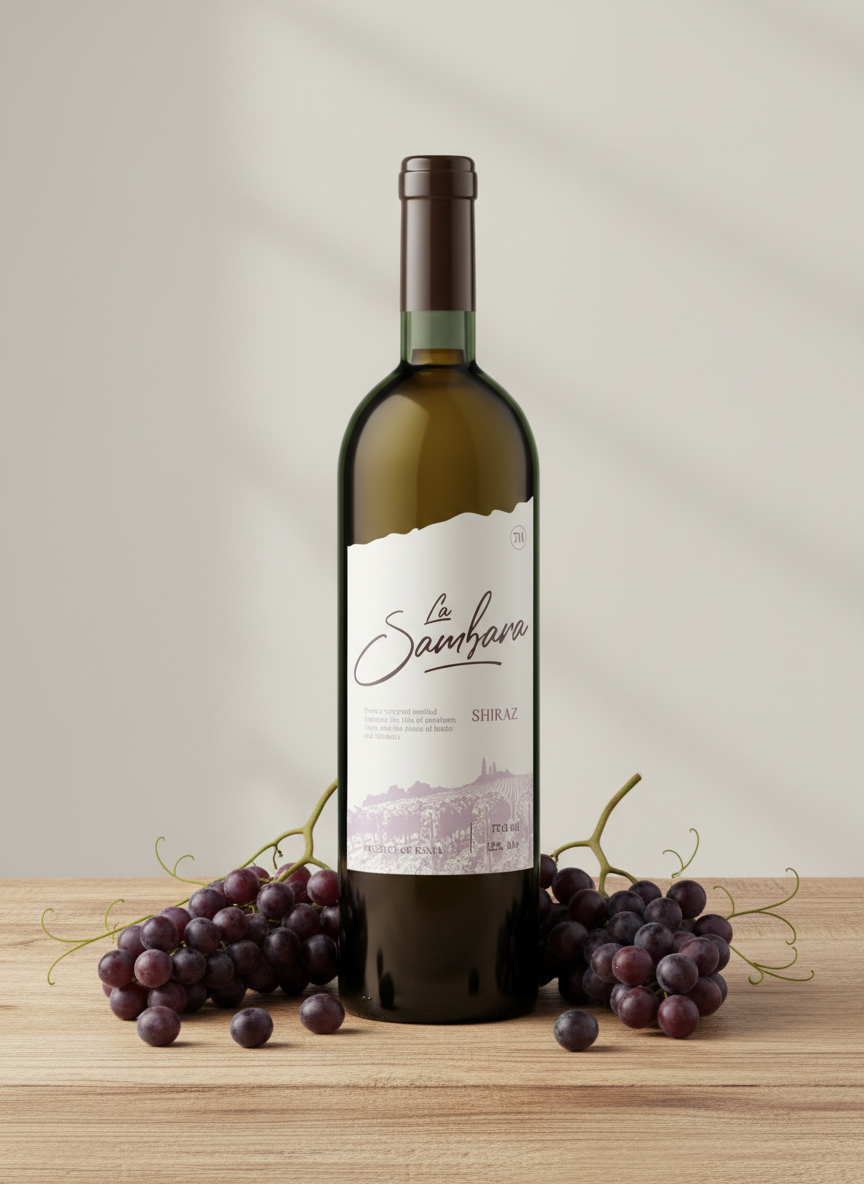
- Same Variety: Taste different Shiraz wines to see how they vary
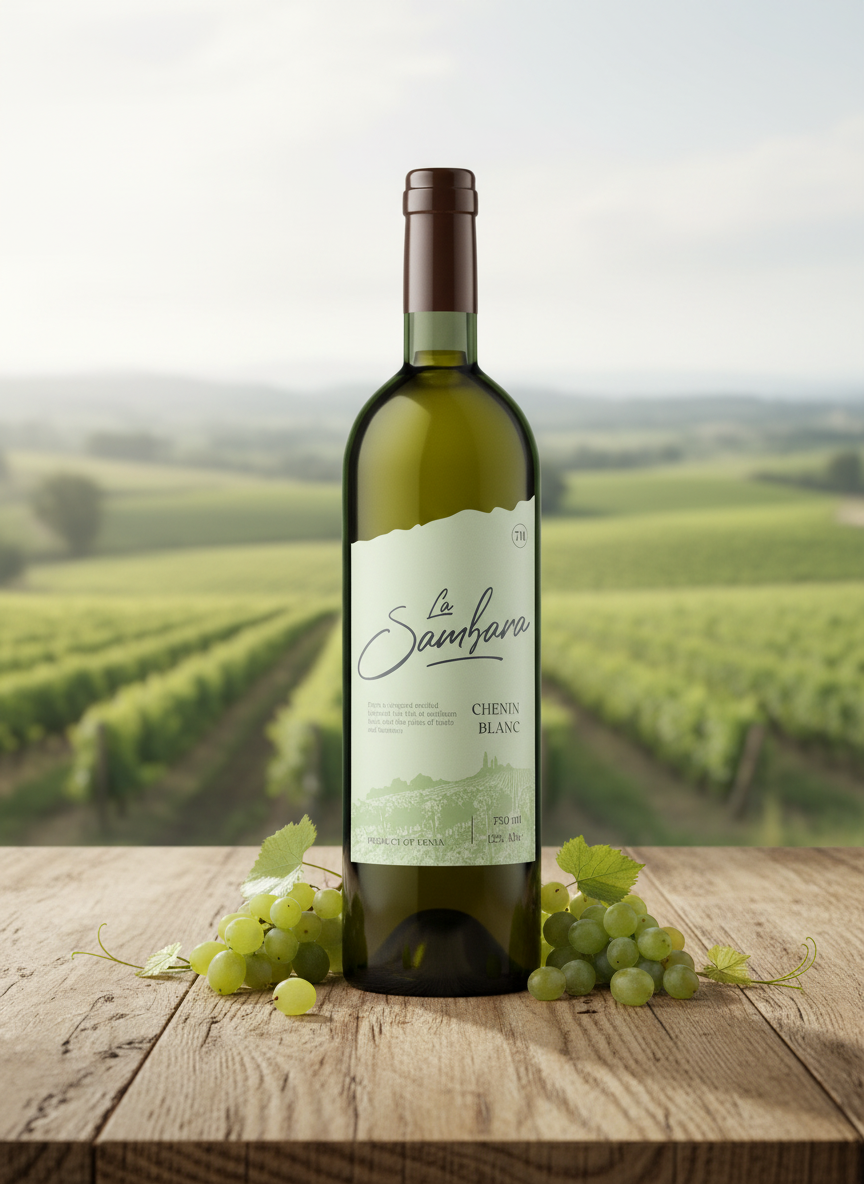
- Local Focus: Showcase wines produced in Kenya or East Africa
Including locally produced wines adds an exciting element to the experience and introduces guests to emerging African wine culture.
3. Prepare Simple Tasting Glasses
You don’t need specialized wine glasses for a home tasting. Regular wine glasses work perfectly well.
Ideally, each guest should have one glass at a time, but if possible, having two glasses allows guests to compare wines side by side.
If you are tasting multiple wines, serve them in a logical order:
- Light wines first
- Fuller-bodied wines later
- Red wines after whites
This sequence helps guests appreciate the flavors without overpowering their taste buds.
4. Add Simple Food Pairings
Wine tasting becomes even more enjoyable when paired with small bites. The goal isn’t to serve a full meal but to offer foods that complement the wines.
Some easy pairings include:
- Cheese and crackers
- Olives or nuts
- Fresh fruits such as grapes or apples
- Light charcuterie or cured meats
These simple foods enhance the flavors of the wine while keeping the focus on tasting and conversation.
5. Create a Relaxed Tasting Atmosphere
Atmosphere plays an important role in a successful wine tasting.
You don’t need elaborate decorations. A comfortable table setting, soft lighting, and a tidy space are enough to create a welcoming environment.
Some hosts also like to:
- Play soft background music
- Use simple wine tasting cards for notes
- Arrange the bottles in order for guests to see
The key is to make the experience feel social and enjoyable rather than formal.
6. Guide Guests Through the Tasting
Even beginners can guide a wine tasting by following a few simple steps.
Encourage guests to explore each wine using three senses:
Look
Observe the wine’s color and clarity in the glass.
Smell
Swirl the glass gently and notice the aromas.
Taste
Take a small sip and pay attention to flavors, acidity, and texture.
There are no right or wrong answers when describing wine. The goal is simply to notice and share impressions.
7. Encourage Conversation and Discovery
One of the most enjoyable aspects of a wine tasting is the conversation it inspires.
Different people may notice different flavors or aromas in the same wine. This variety of perspectives makes the experience fun and interactive.
Ask questions like:
- Which wine do you like most?
- Which wine surprised you?
- What food pairing works best?
These discussions turn a simple tasting into a memorable social experience.
A Growing Wine Culture in East Africa
As more people explore wine tasting in Kenya, small gatherings like these are helping shape a growing wine culture across East Africa.
Hosting a wine tasting at home is not only a fun activity—it’s also an opportunity to introduce friends to new wines, support emerging regional producers, and learn more about the world of wine together.
With just a few bottles, good company, and a relaxed setting, anyone can create an enjoyable tasting experience.
And sometimes, the best wine discoveries happen not at a vineyard, but around your own table.